


The Sinpung-dong missile base in North Korea, located just 27 kilometers (17 miles) from the China border, is believed to house up to nine nuclear-capable intercontinental ballistic missiles (ICBMs) along with mobile launchers, according to a report by the Washington-based Center for Strategic and International Studies (CSIS). This site is among 15 to 20 undeclared ballistic missile bases and warhead storage facilities in the country. The report draws on satellite imagery, interviews with North Korean defectors and officials, declassified documents, and open-source data.
Experts warn that these missiles pose a potential nuclear threat to East Asia and even the continental United States. Under leader Kim Jong Un, North Korea has accelerated its weapons programs, modernizing its armed forces and testing ICBMs capable of striking almost anywhere in the U.S. These activities violate United Nations sanctions, which restrict North Korea’s access to weapons and critical materials.
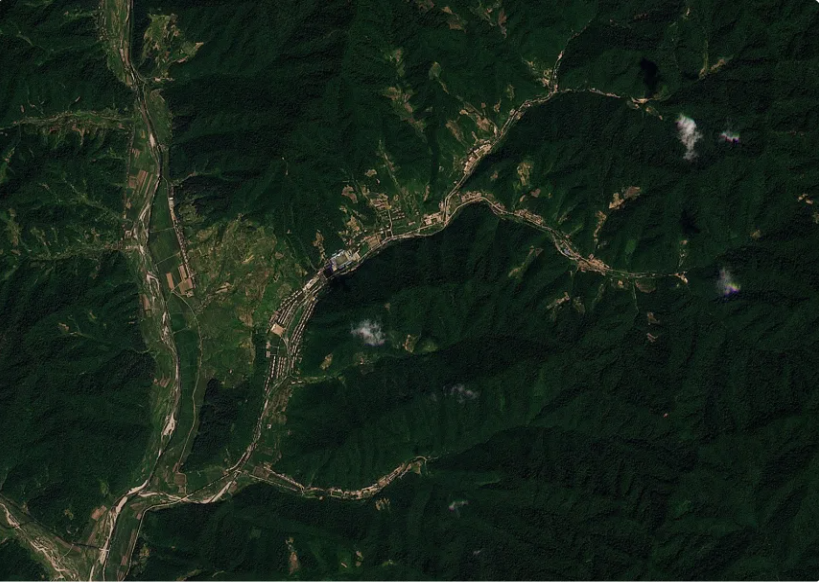
The Sinpung-dong base spans 22 square kilometers (5,436 acres), larger than New York’s JFK International Airport, and lies in a narrow mountain valley bisected by a stream. Its proximity to China offers strategic advantages: any military strike near the border risks fallout affecting China, potentially deterring attacks. North Korea may be leveraging this geographic risk to influence Beijing’s response and strengthen its own security posture.
Additionally, Pyongyang has deepened cooperation with Russia since Moscow’s invasion of Ukraine, even sending troops to support Russian forces. This partnership raises concerns that Russia might enhance North Korea’s missile technologies and supply chains in exchange.
Experts emphasize that bases like Sniping-dong, combined with North Korea’s expanding arsenal and international partnerships, underscore the growing regional and global security threat posed by the country’s nuclear ambitions.
-Peace News Desk