

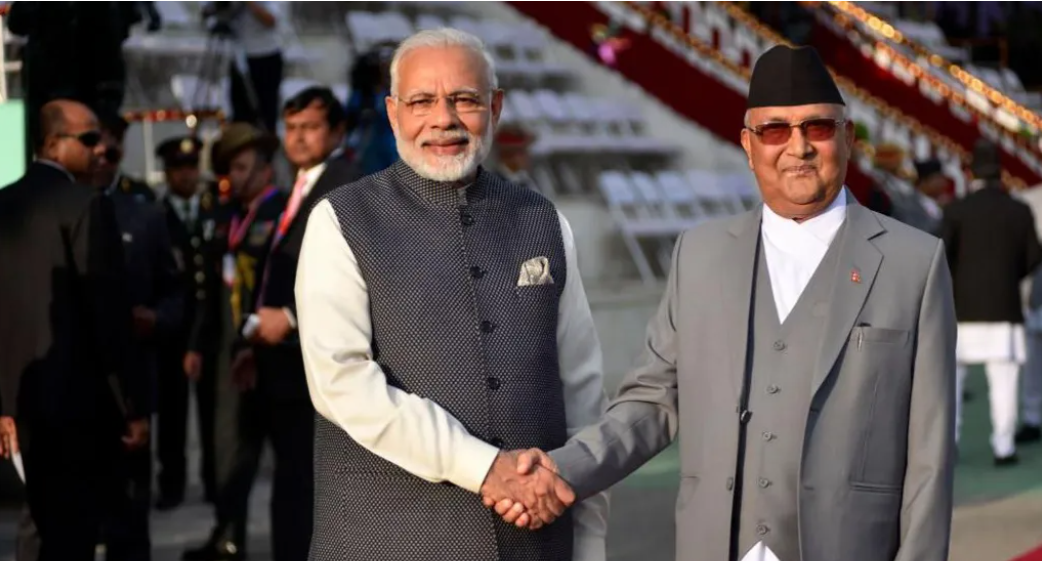
Nepal has become the third country near India to see its government fall because of a violent uprising. Prime Minister KP Sharma Oli resigned after more than 20 people died in protests. The protests began after the government banned social media. Angry crowds stormed parliament and burned the homes of politicians. A curfew is now in place, and the army is trying to control the situation.
These events remind many of the unrest in Bangladesh last year and Sri Lanka in 2022. For India, the crisis in Nepal is more serious because of close ties. The two countries share history, trade, and a long open border of over 1,750 km with five Indian states.
Prime Minister Narendra Modi said he was saddened by the loss of young lives. He asked Nepalese people to support peace and also held an emergency meeting in Delhi to discuss the issue.
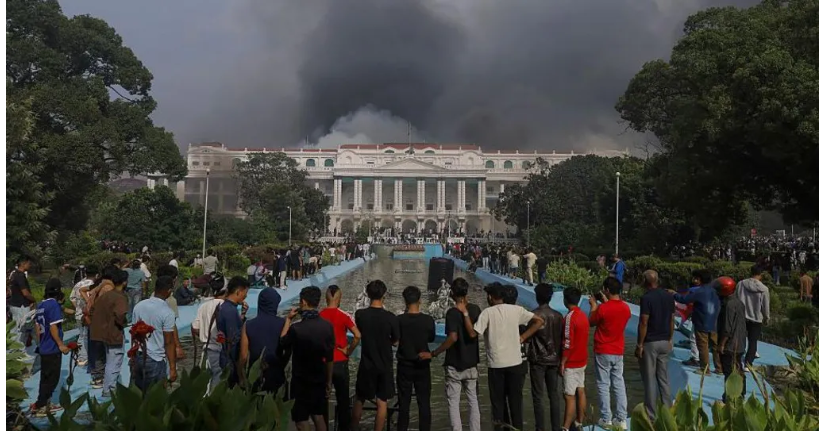
Analysts say India was surprised by Oli’s resignation, which came just a week before his planned visit to Delhi.
Experts warn that instability in Nepal affects India’s security. China also has strong influence there, and both Asian powers are often accused of interfering. It is still unclear who will lead Nepal next, as all three major parties have lost public trust.
India will now have to be careful. Past disputes, like the border map issue in 2019, still create tension. At the same time, many young Nepalese are angry about lack of jobs and opportunities.
Some experts say India should give more fellowships and work options to Nepalese youth.
The crisis in Nepal comes while India’s relations with other neighbours—Bangladesh, Pakistan, and Myanmar—are also difficult. Experts believe India must focus more on its neighbourhood if it wants stability and security.
-Peace News Desk