

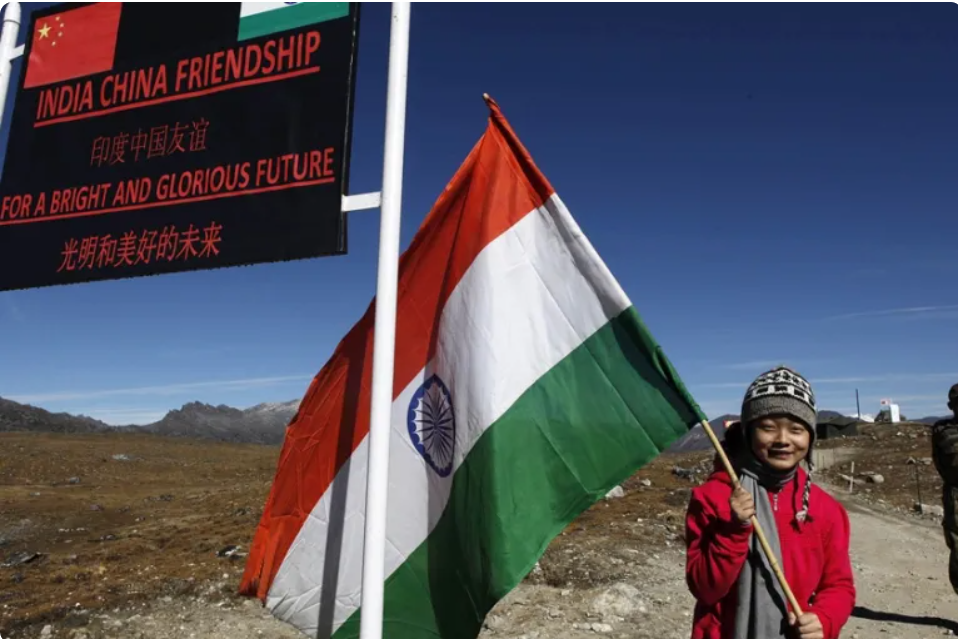
Just five years ago, India was welcoming then-U.S. President Donald Trump with a massive rally in Ahmedabad, while relations with China were at their lowest point after deadly border clashes in Galwan Valley. New Delhi banned Chinese apps, deepened defence ties with Washington, and embraced the Quad alliance alongside the U.S., Japan and Australia.
Today, the geopolitical map looks very different. Trump’s tariff war, which has slapped Indian exports with duties as high as 50 percent, is pushing New Delhi closer to Beijing. By contrast, China has offered India easier visas, direct flights, expanded border trade, and greater access to its markets. Prime Minister Narendra Modi will even travel to China for the Shanghai Cooperation Organisation summit — his first visit in over seven years.
Analysts say both nations see benefits in easing hostilities. India, hit hard by U.S. tariffs, needs new export markets, while China seeks to prevent India from drifting too far into Washington’s orbit. Economists note that warmer ties could mitigate India’s $99.2bn trade deficit with Beijing and soften the blow of U.S. restrictions.
Strategically, the rapprochement could weaken the Quad’s edge. The grouping was designed to balance Beijing’s rise, with India as a democratic counterweight. But experts argue that a friendlier Delhi-Beijing dynamic could dilute the Quad’s anti-China focus, shifting it toward broader goals like supply chains, climate cooperation, and maritime security.
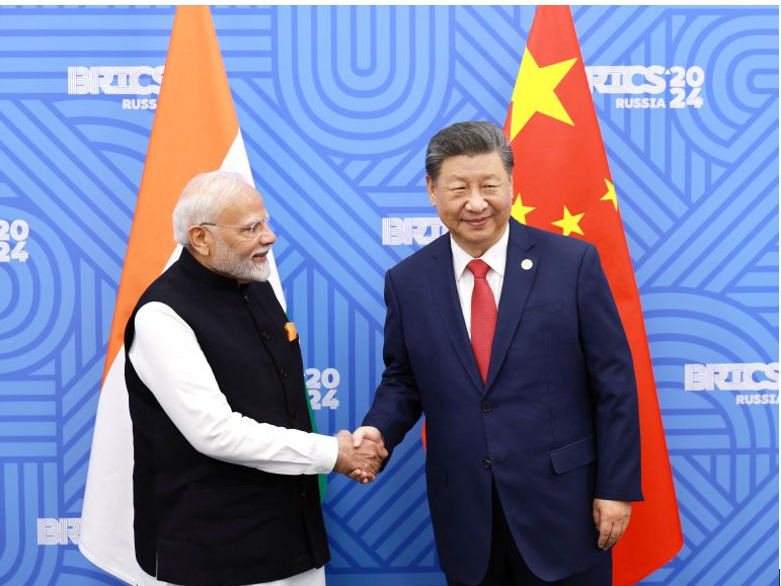
Still, caution remains. Competition and mistrust between the Asian giants persist, especially along their disputed Himalayan border. Yet the “Dragon-Elephant tango,” as President Xi Jinping describes it, highlights how Trump’s tariffs and shifting geopolitics are reshaping alliances — and potentially undercutting Washington’s influence in Asia’s emerging trade blocs.
-Peace News Desk