

Nepal has ended its social media ban after big protests turned violent, leaving at least 19 people dead and more than 100 injured.
The protests began after the government blocked 26 social media platforms, including Facebook, Instagram, and YouTube. Officials said the ban was meant to stop fake news, hate speech, and online fraud. But many young people believed the real reason was to silence criticism, especially after the popular “nepo kid” campaign online. This campaign highlighted the rich lifestyles of politicians’ children and accused them of corruption.
After the ban, thousands of young protesters filled the streets of Kathmandu and even stormed parliament. Some threw stones at the prime minister’s house. They held signs saying “enough is enough” and “end to corruption.” Many protesters said they were not just angry about the ban, but also about government corruption and unfair treatment.
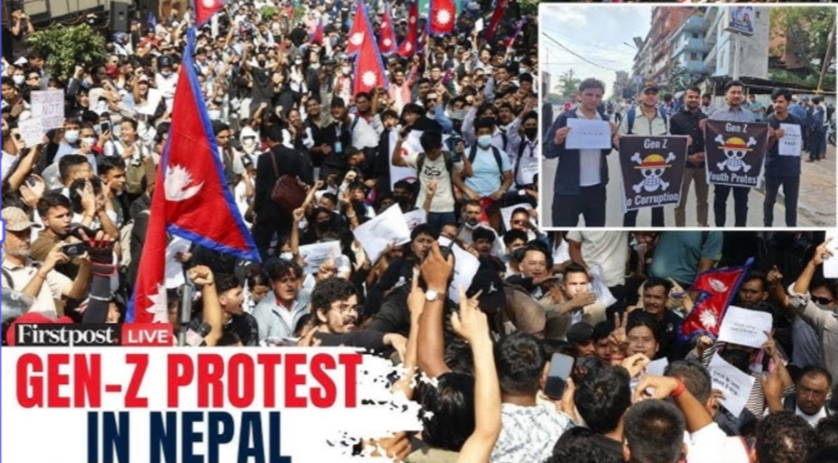
Police used batons, rubber bullets, and water cannons to break up the crowds. The violence left many dead and injured. Prime Minister KP Sharma Oli said he was “deeply saddened” by the loss of life and blamed “vested interest groups” for the unrest.
On Monday night, after an emergency meeting, the government lifted the ban to calm the protests and “address the demands of Gen Z.” The home minister, Ramesh Lekhak, resigned after criticism of the police response.
The government promised to set up a panel to investigate the protests and said families of victims would receive financial support, while the injured would get free medical treatment.
Many young Nepalis say their fight will continue, as they see the protests not just about social media, but about ending corruption and demanding a better future.
-Peace News Desk